


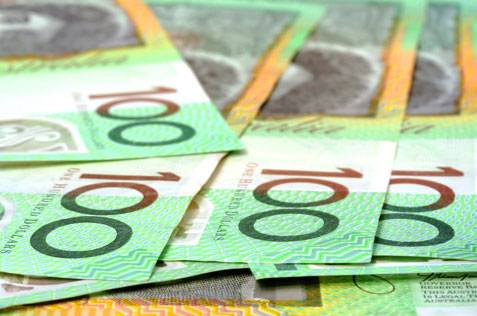
The Australian dollar jumped in Asian trading on Tuesday to its highest level in three months against the US dollar, extending the strong rally that briefly paused yesterday as markets took a breather. The move reflects renewed demand for the Aussie, which traders currently view as one of the most attractive opportunities in the FX market.
The buying momentum strengthened after the Reserve Bank of Australia left interest rates unchanged for a third consecutive meeting and warned that inflation risks remain tilted to the upside.
Some analysts now believe the RBA may be forced to discuss a potential rate hike at its next meeting in February 2026 if inflation pressures continue to build at the recent pace.
Price Overview
• AUD/USD rose 0.4% to 0.6649 — the highest level since 18 September — from an opening price of 0.6621, after touching an intraday low of 0.6608.
• The Australian dollar ended Monday down 0.25% in its first daily loss in five sessions amid profit-taking.
Reserve Bank of Australia
In line with expectations, the RBA kept the cash rate unchanged at 3.60%, its lowest in roughly two and a half years. All members voted unanimously to maintain rates for a third straight meeting.
The central bank justified its decision as a careful balance between persistent inflation pressures and otherwise strong economic data. It noted that although inflation has eased substantially from its 2022 peak, recent readings show a renewed and broader pickup that warrants close monitoring.
The RBA said economic activity continues to recover, supported by solid private demand in consumption and investment, while housing-market conditions keep improving.
Michelle Bullock
RBA Governor Michelle Bullock reiterated on Tuesday that:
• The bank did not discuss cutting or hiking rates — “hold” was the only option considered.
• The latest inflation figures were “materially higher than expected,” suggesting price pressures remain, even if some components are temporary.
• Future policy decisions will depend on incoming data — inflation, domestic demand, and labor-market conditions — meaning no path (up or down) is predetermined.
• The current policy stance is “mildly restrictive,” and the full impact of previous rate cuts has yet to materialize, making patience essential.
Australian Interest Rates
• Most market forecasts expect rates to remain unchanged for an extended period in 2026 unless inflation or growth data shift meaningfully.
• Some analysts believe the RBA may need to revisit the possibility of a rate hike in February 2026 if inflation pressures intensify.
• Market pricing currently assigns less than a 50% probability of a 25-basis-point hike in February 2026.
• Investors are awaiting further data on inflation, unemployment, and wage growth to reassess these odds.
