


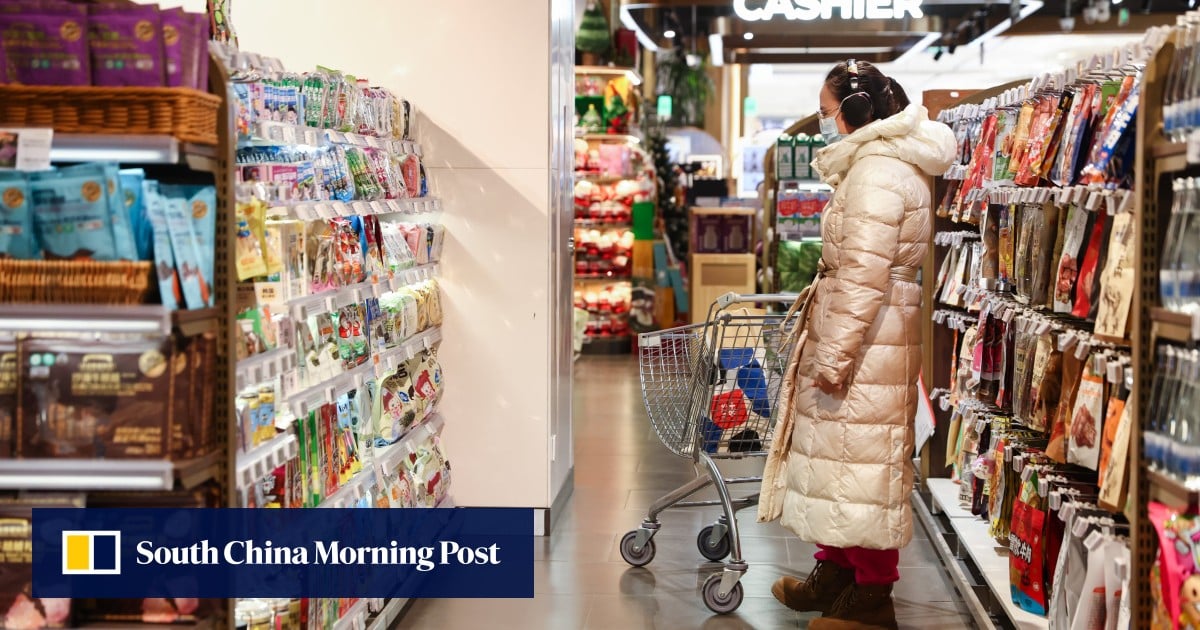
International and Chinese consumer brands will be forced to maintain a low-price strategy in mainland China amid persistent deflationary pressures, while looking to lower-tier cities and emerging sales channels for growth, according to a study by global consultancy Bain & Co and market research firm Kantar Worldpanel.
Companies in the fast-moving consumer goods (FMCG) sector would need to respond quickly to new market trends with a focus on product affordability to increase sales volume, said the report, released on Tuesday.
“China’s shoppers are becoming more deliberate in how they balance value, convenience and experience,” said Bruno Lannes, a senior partner with Bain. “The brands that succeed will be those that truly understand why, when and where consumers choose to buy.”
The average selling price of FMCG goods – from daily essentials such as toothpaste to bottled water and snacks – slumped 2.4 per cent from a year earlier in the first three quarters of 2025, according to the consultancies. But lower prices spurred buying interest, with volume growing 3.8 per cent year on year. Total FMCG spending on the mainland from January to September rose 1.3 per cent.
The study did not divulge exact numbers on prices, volume or spending.
Rachel Lee, general manager of Kantar Worldpanel in China, said in a briefing on Tuesday that the mainland would record a mild rise in FMCG spending next year, driven by consumers’ increasing purchases of goods thanks to low retail prices.
“International brands are moving faster with O2O [online to offline] channels to reach out to more customers in lower-tier cities,” she said, referring to strategies that aim to blend online shopping and bricks-and-mortar stores into a cohesive experience. “They also collaborate closely with small-format retailers such as snack stores and community supermarkets to increase sales.”
