


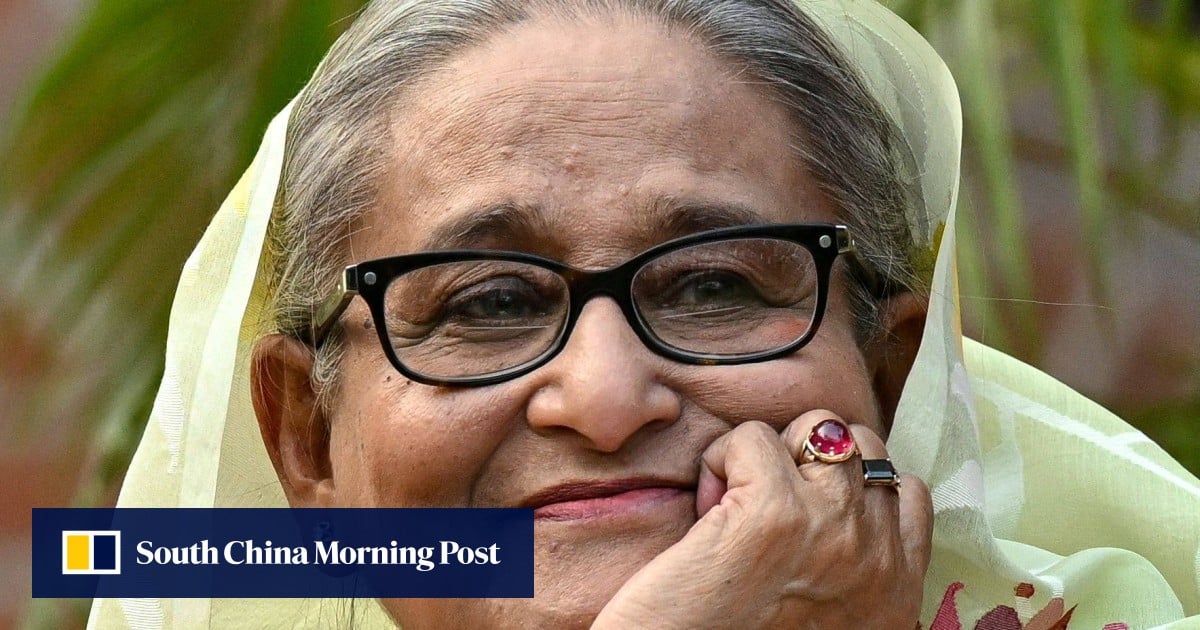
Bangladesh’s national security adviser recently made a low profile visit to New Delhi, holding talks with his Indian counterpart in what many in Dhaka saw as a sign that the two neighbours might reset ties following bilateral tensions over the self-exile of former prime minister Sheikh Hasina in India.
The meeting was the highest-level contact since Bangladesh’s interim government took office. Analysts say the path to repairing ties remains fraught even if India is prepared to work with whomever wins Dhaka’s coming election.
Discussions between Bangladesh’s National Security Adviser Khalilur Rahman and his Indian counterpart Ajit Doval took place last month, shortly after a special tribunal in Bangladesh sentenced Hasina to death in absentia for crimes against humanity, and as Dhaka continues to push for her extradition.
Hasina, who was ousted in August last year, is wanted by the interim administration to account for the deadly crackdown on student-led protests before her exit.
Her removal has upended a decade of close cooperation between India and Bangladesh under Hasina and her Awami League, leading to a more cautious approach by the interim government led by Muhammad Yunus towards Delhi.
In a sign that India is keen to improve ties, Indian Prime Minister Narendra Modi sent a message on December 1, expressing concern for the health of former Bangladeshi prime minister Khaleda Zia and offering India’s support for her recovery.
