


The 2025 film Nuremberg ends with a sober line from British historian R.G. Collingwood: “The only clue to what man can do is what man has done” – a stark reminder that history repeats when justice does not.
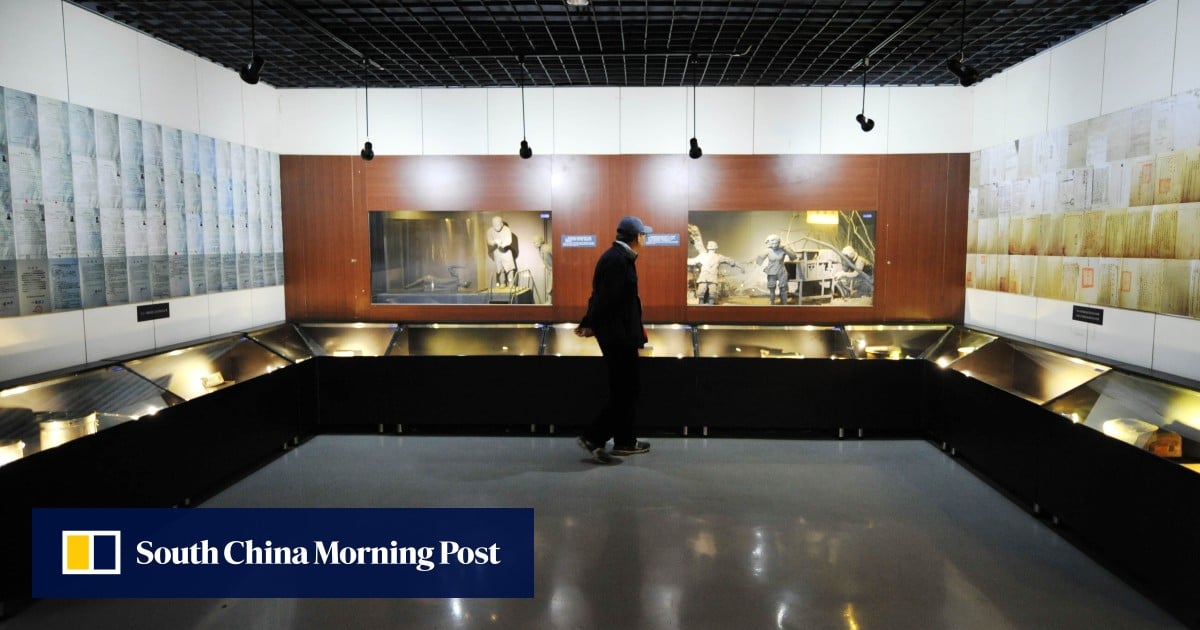
The covert unit conducted lethal human experiments that killed at least 3,000 people and biological warfare attacks that led to hundreds of thousands of civilian deaths, with harms that persist to this day.
Saturday marks the 88th anniversary of the Nanking Massacre by Japanese troops in World War II. China estimates more than 300,000 civilians and soldiers died during the six-week slaughter from December 13, 1937 in the city known today as Nanjing.
In a new paper, archaeologists Wang Xiaohua and Xue Kaifan from the Heilongjiang Provincial Institute of Cultural Relics and Archaeology argue that Unit 731’s conduct meets the modern definition of crimes against humanity.
It was vital to pursue the case under international law to prevent a future recurrence, they said in the paper, published on December 1 by the peer-reviewed journal Northern Cultural Relics.
