


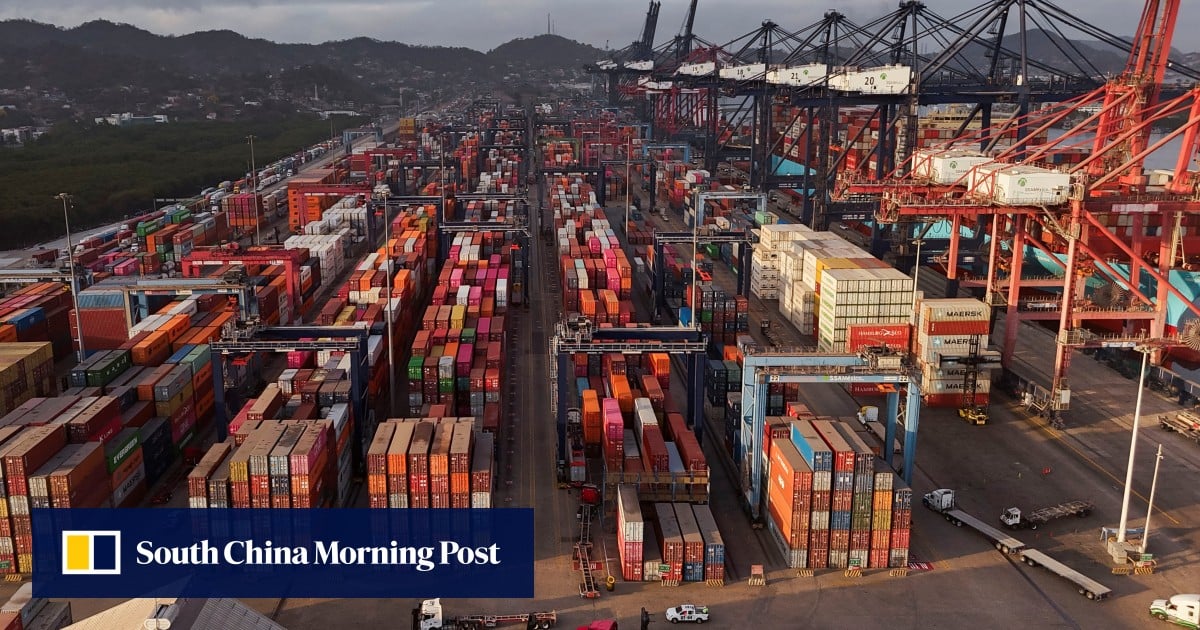
For much of the past year, Asian exporters have been racing to stay ahead of a global tariff storm – re-routing shipments, reconfiguring supply chains and absorbing rising costs as the United States tightened its trade barriers.
Now another pressure point is emerging. From the start of next year, Mexico plans to impose import duties of up to 50 per cent on a wide range of goods from Asia, threatening to choke off a key workaround companies have relied on to maintain access to the North American market.
The new measures, set to take effect from January 1, will apply to electronics, apparel, chemicals and a broad swathe of engineering goods – including cars and other vehicles – as Mexico seeks to protect domestic industries and address a widening trade imbalance with its Asian partners.
For exporters already burdened by US tariffs of between 10 and 50 per cent, analysts warn that Mexico’s action risks transforming North America into a unified, tightly guarded trade bloc, rather than a patchwork of re-routing opportunities that could be navigated with enough logistical dexterity.
According to Mexico’s Economy Ministry, the country imports roughly 10 times more from its 10 main Asian trading partners, excluding Japan, than it exports to them. Last year, imports totalled about US$227 billion, compared with just US$22 billion in exports.
Countries without free-trade agreements with Mexico – including China, India, South Korea, Thailand and Indonesia – are expected to bear the brunt of the higher tariffs, which erode cost advantages and disrupt established supply chains.
