
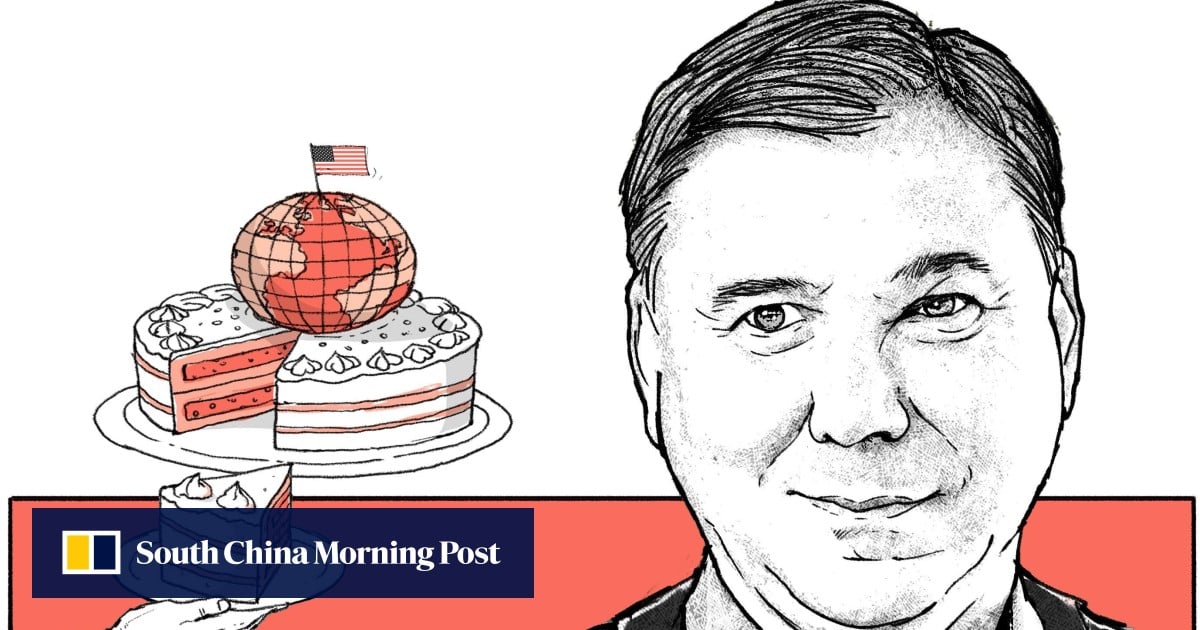
Ivan Krastev is a Bulgarian political scientist best known for his work on Europe’s democratic crisis, the psychology of post-communist societies and the political legacy of 1989. He is chair of the Centre for Liberal Strategies in Sofia, a permanent fellow at the Institute for Human Sciences in Vienna and the author of several influential books on European politics.
In this Open Questions interview, Krastev reflects on Europe’s loss of bearings in a faster, harsher world, the fading of the post-Cold War transatlantic order and the psychological shock of a US that no longer treats Europe as a priority.
How do you assess Europe’s ability to shape the world at the end of 2025?
In my view, three different things are happening at the same time. One of them is that we are seeing a major change that didn’t start in 2025, but probably started around Covid-19. But of course, the political implication is the change in the United States.
So while there has been talk about the end of the liberal order for a long time, now it is a reality. You cannot any more basically live with the illusion that the world as we know it is still there.
And for Europe, it’s very painful because, in a strange way – as my friend, then-German ambassador in Italy, Thomas Bagger used to say – The End of History was the title of an American book but it was the German manual for running things. This is a huge story – to be deprived of the world that you know, in which you had a very influential role.
