


The reveal exposed what was under the covers: bionic “muscles” that enable such uncanny lifelikeness, made possible by the 3D printing technology and high-performance materials from Chinese start-up PollyPolymer.
Wang Wenbin, founder and chairman of PollyPolymer, told the Post in a recent interview that the company has “established joint research and development (R&D) partnerships with several leading robotics companies, including more than 20 from China”.
As well as the bionic muscles for Xpeng, PollyPolymer has developed joint cushioning kits for UBTech Robotics and integrated foot kits for EngineAI.
Bionic muscles for humanoid robots require a special material that “must simultaneously meet four core requirements: high elasticity, excellent heat dissipation, superior wear resistance and anti-ageing properties”, Wang said, adding that the molecular structure was modified to achieve an elongation rate of 300 per cent while maintaining a skin-like texture.

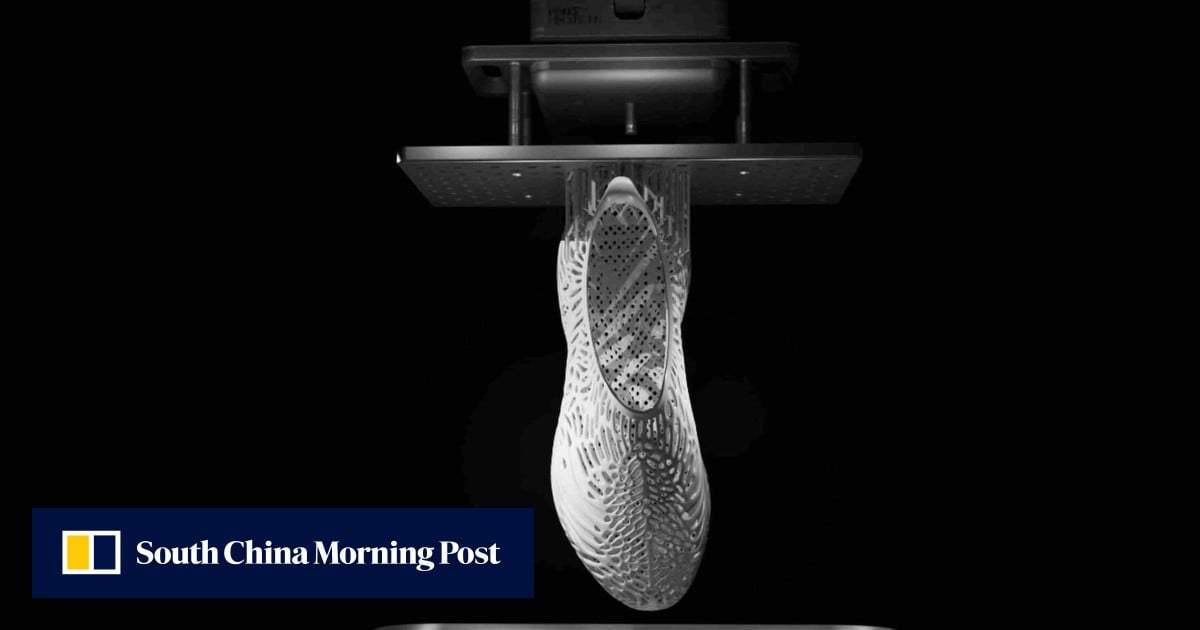
Based in Suzhou in eastern Jiangsu province, PollyPolymer not only has around 10,000 sets of material formulations, but it also developed the proprietary “hindered asynchronous light synthesis (HALS)” 3D printing technology that boosts printing speed by up to 100 times compared with traditional 3D printing.
