


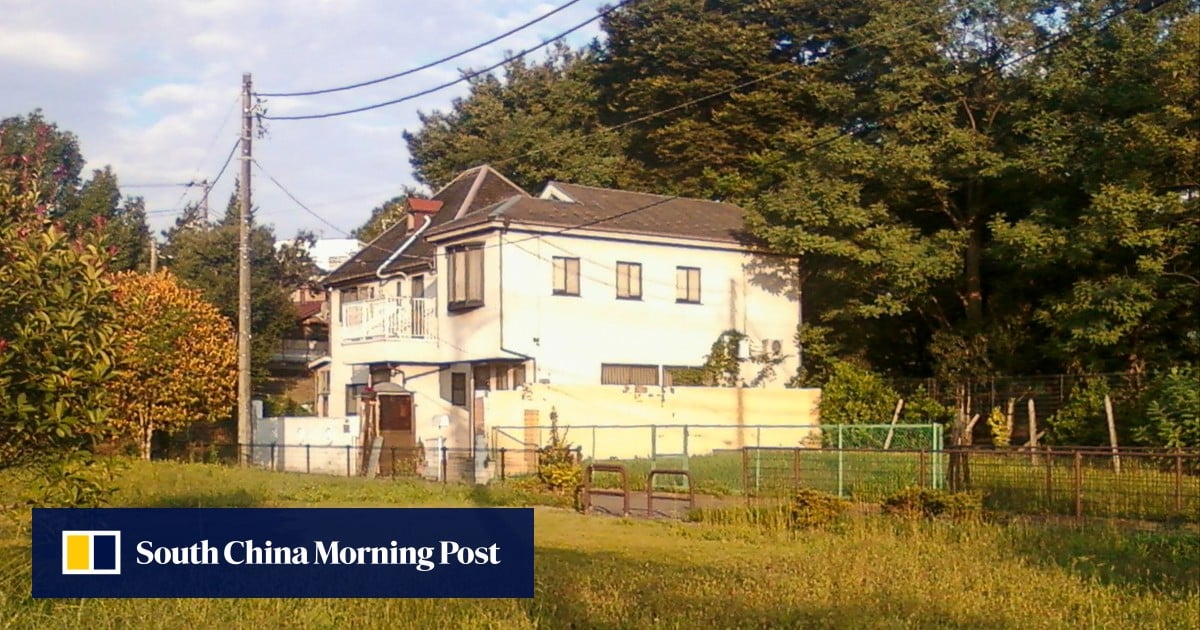
Early on the morning of December 30, Takeshi Tsuchida got down on his knees to carefully place flowers in front of a black-slab tomb marking the last resting place of Mikio Miyazawa, his wife and their two children.
Tsuchida bowed his head, clasped his hands together and offered a silent prayer.
Now 78, Tsuchida has retired as head of the Seijo police station in Tokyo’s upmarket Setagaya ward, but he has never been able to move on from the one crime that still hangs over his career.
“Twenty-five years have passed and, as a former police officer, I feel sorry” that the case had not been solved, Tsuchida told reporters at the cemetery, where 44-year-old Miyazawa, his wife Yasuko, 41, their eight-year-old daughter Niina and six-year-old son Rei are remembered.
Since leaving the force, Tsuchida has acted as a special adviser to a group representing the families of murder victims, helping them work with authorities as they seek answers and justice. But the Setagaya murders, as they have become known, are the ones that have really stuck.
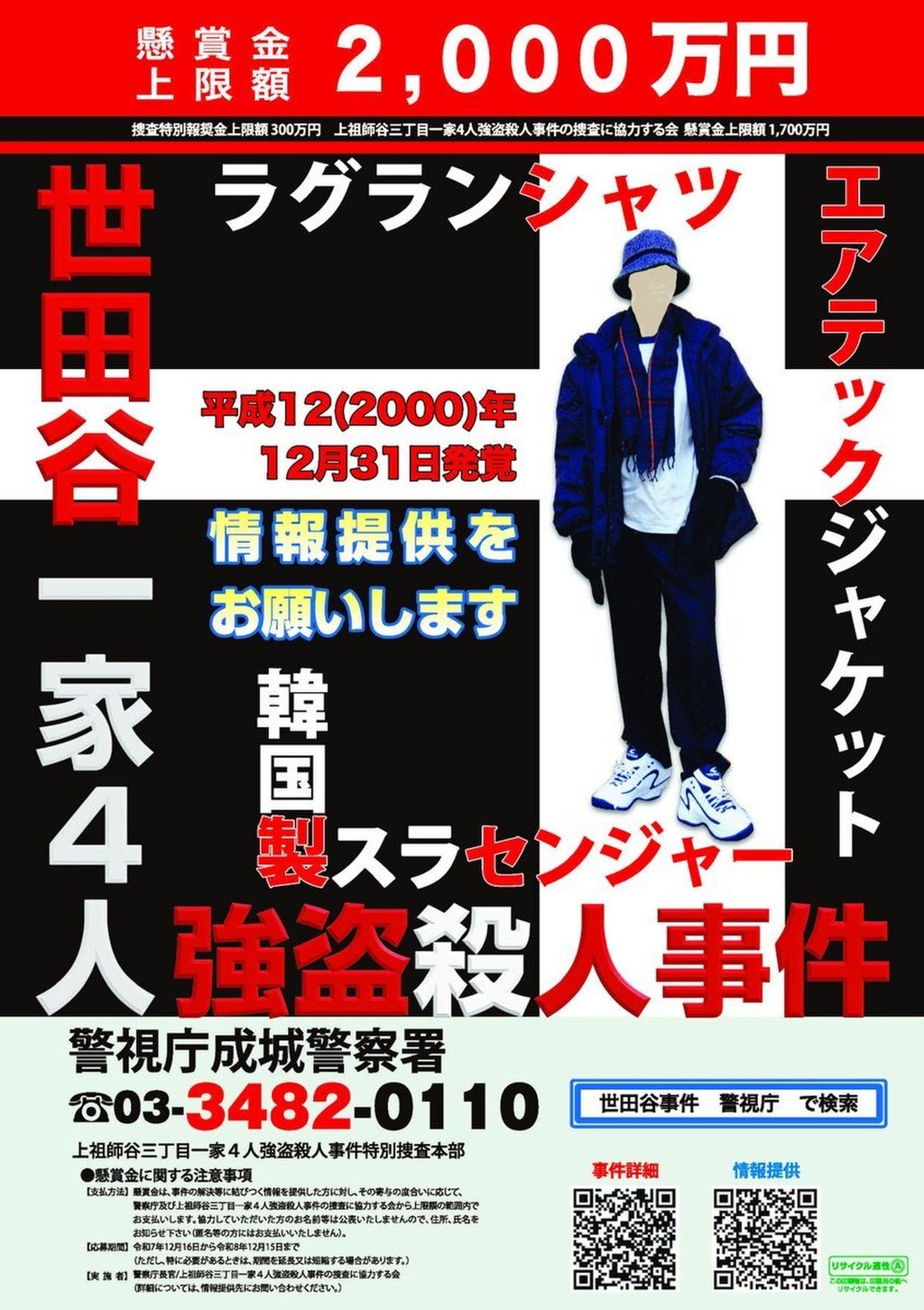
In the run-up to the anniversary, police in west Tokyo launched a new campaign appealing for anyone with information about the incident to come forward, passing out leaflets at local stations and displaying a life-size mannequin in the clothes the attacker is believed to have been wearing.
