


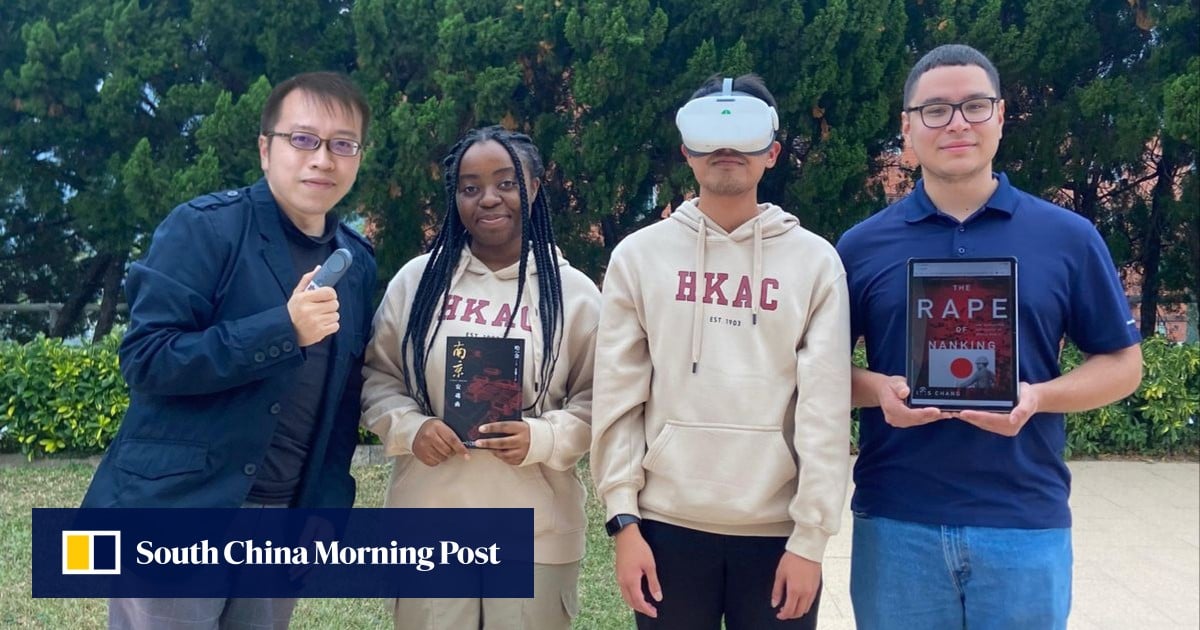
In October, as Simon Li finished speaking at an international conference about embracing technological innovation in education, several Chinese history educators approached him with a potent, pressing question: could a virtual reality (VR) project about the 1937 Nanking massacre become the next pedagogical frontier?
Li, executive director of the Hong Kong Holocaust and Tolerance Centre, recalled it as an electrifying moment. “They were genuinely energised, saying that such a programme could help students feel history without being flooded by it,” he said of the educators.
He added that the concept of an “ethical empathy VR” had been circulating within academic circles for some time as a possible “evolution of atrocity education” in East Asia.
Historians’ estimates of the number of fatalities vary widely, ranging from the tens of thousands to as high as 300,000.
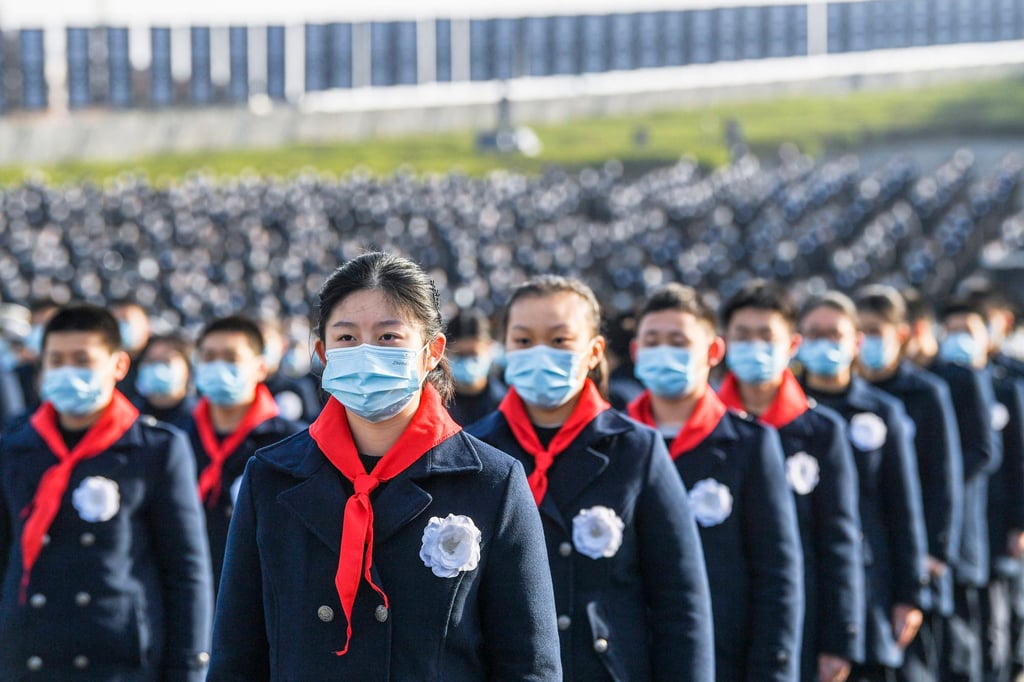
Only 24 registered survivors are still alive, according to state news agency Xinhua. This year, Beijing also marked the 80th anniversary of the end of World War II and the global victory against fascism.
