



When Zeng Jinghan accepted an offer to lead the Confucius Institute at Lancaster University in England in 2018, he already had a plan to write a book.
“I thought it would be very interesting if I could write about something that I know a lot about and participate in it personally, like Richard Crossman’s The Diary of a Cabinet Minister,” Zeng said, referring to the British politician’s memoirs published half a century ago.
Zeng’s book, Memoirs of a Confucius Institute Director, Volume 1: Challenges, Controversies and Realities, was published by Palgrave Macmillan earlier this year. It covers his six years as an institute director that began in 2019, including a detailed look at daily operations.
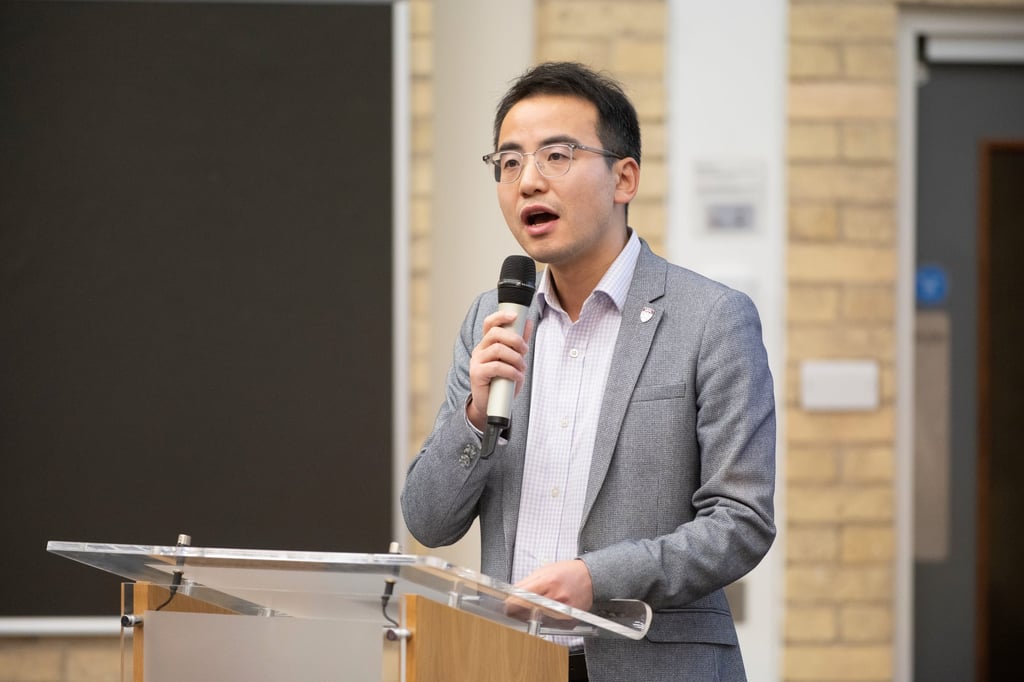
The book also counters accusations that Confucius Institutes serve as spy hubs or vehicles for promoting Beijing’s state narratives.
Launched in 2004 and set up at universities around the world, Confucius Institutes are educational and cultural centres mainly funded by the mainland government to promote Chinese language and culture. There are about 500 institutes around the world.
