
As trading in 2025 draws to a close, analysts and investors across global markets agree on one clear conclusion: this was, without question, the year of silver.
While other assets captured headlines early in the year, silver quietly built a historic launch base that ultimately delivered extraordinary annual gains exceeding 150%, marking the metal’s strongest performance in more than four decades, specifically since 1979.
Breaking Historical Barriers
The year 2025 was not a typical rally, but rather a period of genuine price liberation. In October, silver decisively broke above the $49.76 per ounce level, the long-standing record high that had held since April 2011.
Following that breakout, silver entered a powerful and uninterrupted upward phase, repeatedly setting new records and ultimately reaching an all-time high of $83.97 per ounce on December 29, 2025.
Key Drivers Behind the Rally
While global attention focused on record highs in gold, silver delivered the year’s biggest surprise, posting gains that stunned markets. This explosive move was fueled by a rare convergence of structural challenges and investment opportunities during 2025, restoring silver’s status as a strategic metal. The main drivers included:
1. Retail Investor Demand
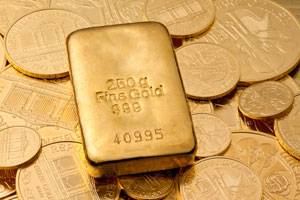
Silver saw an unprecedented surge in demand from retail investors and individual buyers, particularly for physical bullion and coins.
This momentum was driven by silver’s prolonged undervaluation relative to gold, whose prices had already reached historic highs. As a result, silver bullion emerged as a more accessible and attractive option for investors seeking to preserve wealth against the erosion of fiat currency purchasing power.
2. Strong Industrial Demand
Silver solidified its role as a critical input for future technologies, with industrial demand reaching a historic peak in 2025 amid rapid expansion in solar energy and electric vehicle production.
In addition, silver became increasingly embedded in infrastructure linked to artificial intelligence technologies, sectors that consume large volumes well beyond what current supply can comfortably meet.
3. Global Supply Deficit
Supply pressures intensified as the silver market entered its fifth consecutive year of structural deficit.
Declining output from major mines and the depletion of available global inventories made it impossible for supply to keep pace with surging demand, propelling prices to unprecedented levels.
4. Global Monetary Policy Shifts
The year 2025 marked a turning point in global monetary policy, with the US Federal Reserve and other major central banks continuing a cycle of interest rate cuts.
This environment sharply reduced the opportunity cost of holding precious metals, prompting large investment funds to channel substantial liquidity into both gold and silver markets.
Additional Supporting Factors
Safe-haven demand increased sharply amid escalating geopolitical tensions throughout 2025, driving capital flows into precious metals as protection against economic instability.
The decline in the US dollar, driven by rate cuts, enhanced silver’s appeal to international buyers by lowering its cost in non-dollar terms and boosting global demand.
Aggressive price forecasts and extensive media coverage also played a role, as bold projections from prominent analysts attracted widespread attention, reinforcing speculative demand and helping turn expectations into reality before year-end.
Silver Outperforms Gold
Spot silver prices surged by roughly 150% in 2025, far outperforming gold, which gained more than 70%. This outperformance was supported by strong investment demand, silver’s inclusion among US critical minerals, and sustained buying by major funds.
Kiyosaki’s Call and the 2026 Outlook
Financial author Robert Kiyosaki, best known for Rich Dad Poor Dad, was among the most vocal proponents of silver’s rally, accurately predicting a move to $70 per ounce before the end of 2025.
With the year now closing at record levels, attention has shifted to his more ambitious 2026 forecast, which envisions silver reaching $200 per ounce.
While such a target may appear extreme, current market dynamics suggest that silver’s price floor has permanently shifted higher. With ongoing erosion in fiat currency purchasing power and rising industrial dependence, silver appears to have left behind its long-standing status as an underappreciated metal, entering a new era of price leadership in global markets.
Bullish Expectations for 2026
Forecasts for 2026 vary between cautious optimism and strong bullish conviction. Although most institutions stop short of Kiyosaki’s $200 target, there is broad consensus that silver will remain on an upward trajectory. Key institutional outlooks include:
Goldman Sachs expects silver to be the primary strategic metal for the green transition, projecting an average price range of $85–$100 per ounce in 2026, supported by AI-related demand and solar expansion. The bank believes the structural supply deficit will make sustained moves below $70 increasingly difficult.
UBS anticipates continued outperformance versus gold in 2026, targeting around $95 per ounce, citing ongoing Federal Reserve easing, a weaker dollar, and increased institutional allocations to silver.
Citigroup has raised its outlook, flagging the potential for prices to reach $110 per ounce in the second half of 2026, driven by explosive demand from the electric vehicle sector and the risk of acute shortages in deliverable physical silver.
The Silver Institute refrained from assigning a specific price target but warned that the supply-demand gap could reach critical levels in 2026. It suggested that prices above $120 per ounce may be required to incentivize higher mine output or encourage investors to release holdings to meet industrial demand.
Commerzbank takes a more conservative stance, expecting prices to stabilize around $80–$85 per ounce. The bank cautioned that the sharp gains of 2025 could trigger profit-taking early in 2026 before the broader uptrend resumes.
