

Close Menu
World Economist – Global Markets, Finance & Economic Insights
  • Home
  • Economist Impact
    • Economist Intelligence
    • Finance & Economics
  • Business
  • Asia
  • China
  • Europe
  • Economy
  • USA
    • Middle East & Africa
    • Highlights
  • This week
  • World Economy
    • World News
What's Hot

Here are 5 bear cases for Nvidia — and why each one is wrong

December 21, 2025

US pursuing third oil tanker near Venezuela, officials say – World

December 21, 2025

Here are 2 things we’re watching in the stock market this week

December 21, 2025
Facebook X (Twitter) Instagram
Sunday, December 21
Facebook X (Twitter) Instagram
World Economist – Global Markets, Finance & Economic Insights
  • Home
  • Economist Impact
    • Economist Intelligence
    • Finance & Economics
  • Business
  • Asia
  • China
  • Europe
  • Economy
  • USA
    • Middle East & Africa
    • Highlights
  • This week
  • World Economy
    • World News
World Economist – Global Markets, Finance & Economic Insights
Home » Graphene vs lithium-ion phosphate: what battery is best for EV bikes? – Business & Finance
Economist Intelligence

Graphene vs lithium-ion phosphate: what battery is best for EV bikes? – Business & Finance

adminBy adminSeptember 24, 2025No Comments4 Mins Read
Share Facebook Twitter Pinterest Copy Link LinkedIn Tumblr Email VKontakte Telegram
Share
Facebook Twitter Pinterest Email Copy Link
Post Views: 49


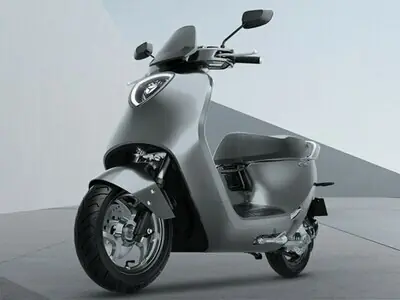
KARACHI: Auto sector experts have urged the government to give EV motorbike assemblers the options to install either graphene or lithium-ion phosphate batteries in EV scooters, and let the consumer decide what they want. This will allow the EV industry grow and evolve, they said.

Currently, the Punjab government is asking EV bike assemblers to install lithium-ion phosphate batteries, believing them to be safer and more durable.

Graphene vs lithium-iron phosphate

There are generally four kinds of batteries being installed in EV bikes these days globally: lead acid, graphene, lithium-ion phosphate and lithium.

Graphene batteries are an emerging technology that enhances lithium-ion cells by incorporating graphene into the electrodes. This improves conductivity, charging speed, and heat dissipation, allowing for much faster charging and potentially higher energy density than conventional chemistries.

For electric scooters, this means lighter batteries, shorter charging times, and longer riding ranges. However, graphene batteries are still relatively new, expensive to manufacture, and not widely available at a commercial scale.

Lithium iron phosphate batteries, on the other hand, are already widely used in electric scooters due to their safety, stability, and long cycle life. They are less prone to overheating or catching fire compared to other lithium-ion chemistries. Although they have lower energy density than graphene-enhanced or some other lithium-ion batteries, their durability and cost-effectiveness make them a practical choice for manufacturers today.

EV motorbikes have two costly parts: the battery and the motor. Depending on quality and capacity, graphene battery prices range from Rs45,000 to Rs90,000, while lithium-ion phosphate batteries are sold for Rs90,000 to Rs140,000.

Talking to Business Recorder, auto sector analyst Muhammad Sabir Shaikh said giving assemblers both options will help the emerging EV motorbike industry gain proper momentum and work more efficiently. He believes it will also play a salient role in reducing ballooning air pollution on roads and, above all, the country’s swelling import oil bill.

China chooses graphene/ lead-acid batteries

Most Asian countries have major sales of lead acid/graphene batteries as seen below.

2024 Data

Country
Total Units
Lithium Battery
% of sales
Lead Acid Battery
% of sales

China
40,000,000
2,500,000
6%
37,500,000
94%

Indonesia
2,000,000
300,000
15%
1,700,000
85%

Vietnam
2,000,000
400,000
20%
1,600,000
80%

Pakistan
60,000
5,000
8%
55,000
92%

China holds the world’s biggest lithium reserves and dominates global refining, yet many of its electric scooters still run on graphene/lead-acid batteries instead of lithium. The reason is strategy, not shortage, experts say.

Cost is the biggest factor, as graphene lead-acid packs are up to 40% cheaper, making scooters affordable for price-sensitive buyers. They are also safer and more stable, with lower risk of overheating compared to lithium. China already has a well-established recycling system for lead-acid batteries, while lithium recycling is costly and complex.

Manufacturers use a dual approach where graphene batteries are used for entry-level scooters and lithium-ion for premium models. Meanwhile, the government reserves lithium for cars, storage systems, and high-tech industries.

In short, China chooses graphene lead-acid batteries to balance affordability, safety, and resource management, ensuring mass adoption of electric mobility while strategically using lithium where it matters most.

The popularity of electric vehicles

When a customer buys an electric bike, the money saved on fuel and maintenance after about 18 to 24 months is enough to recover the full purchase cost of the bike. After that, the bike’s running expense is so low that it feels almost free to operate

When it comes to fuel-driven bikes, customers have to spend money on gas plus on maintaining the chain and engine, and getting the oil changed.

The EV adoption rate in the country increased in 2025 because of multiple reasons such as introduction of affordable electric scooters by various original equipment manufacturers (OEMs).

As people see more EV bikes on the road, it gives them the confidence to buy one for themselves.

OEMs are spending a large amount of money on marketing. Also, the Punjab government has introduced an initiative of giving electric bikes with subsidy.

As more OEMs enter the space, there is more variety on offer.

In Pakistan, due to increased pollution in Lahore and other cities, the EV policy 2021-2025 was introduced by the Engineering Development Board (EDB) according to which the government wants 30% of vehicles on the road to be electric by 2030.

Experts are clear that consumers should have the right to decide whether they want to buy a lithium battery scooter or a graphene battery scooter. The job of policy makers should be to ensure both are safe options.


Source link

Share. Facebook Twitter Pinterest LinkedIn Tumblr Email Telegram Copy Link
admin
  • Website

Related Posts

Economist Intelligence

US pursuing third oil tanker near Venezuela, officials say – World

December 21, 2025
Economist Intelligence

Fed’s Hammack signals holding rates steady for months, WSJ reports – Business & Finance

December 21, 2025
Economist Intelligence

Karachi: industrialists greet infrastructure uplift package – Business & Finance

December 21, 2025
Economist Intelligence

Islamabad wholesale market: sugar price shows declining trend – Markets

December 21, 2025
Economist Intelligence

Oil prices climb as US blocks Venezuelan tankers – Markets

December 21, 2025
Economist Intelligence

Macroeconomic stability: World Bank Board approves USD700m for ‘PRID-MPA’ – Business & Finance

December 21, 2025
Add A Comment
Leave A Reply Cancel Reply

Editors Picks

US pursuing third oil tanker near Venezuela, officials say – World

December 21, 2025

Fed’s Hammack signals holding rates steady for months, WSJ reports – Business & Finance

December 21, 2025

Karachi: industrialists greet infrastructure uplift package – Business & Finance

December 21, 2025

Islamabad wholesale market: sugar price shows declining trend – Markets

December 21, 2025
Latest Posts

PSX hits all-time high as proposed ‘neutral-to-positive’ budget well-received by investors – Business

June 11, 2025

Sindh govt to allocate funds for EV taxis, scooters in provincial budget: minister – Pakistan

June 11, 2025

US, China reach deal to ease export curbs, keep tariff truce alive – World

June 11, 2025

Subscribe to News

Subscribe to our newsletter and never miss our latest news

Subscribe my Newsletter for New Posts & tips Let's stay updated!

Recent Posts

  • Here are 5 bear cases for Nvidia — and why each one is wrong
  • US pursuing third oil tanker near Venezuela, officials say – World
  • Here are 2 things we’re watching in the stock market this week
  • Emmanuel Macron announces powerful new French aircraft carrier
  • How will US-China ties fare with Trump calling fentanyl a ‘weapon of mass destruction’?

Recent Comments

No comments to show.

Welcome to World-Economist.com, your trusted source for in-depth analysis, expert insights, and the latest news on global finance and economics. Our mission is to provide readers with accurate, data-driven reports that shape the understanding of economic trends worldwide.

Latest Posts

Here are 5 bear cases for Nvidia — and why each one is wrong

December 21, 2025

US pursuing third oil tanker near Venezuela, officials say – World

December 21, 2025

Here are 2 things we’re watching in the stock market this week

December 21, 2025

Subscribe to Updates

Subscribe to our newsletter and never miss our latest news

Subscribe my Newsletter for New Posts & tips Let's stay updated!

Archives

  • December 2025
  • November 2025
  • October 2025
  • September 2025
  • August 2025
  • July 2025
  • June 2025
  • May 2025
  • April 2025
  • March 2025
  • February 2025
  • January 2025
  • December 2024
  • June 2024
  • March 2024
  • October 2022
  • March 2022
  • July 2021
  • February 2021
  • January 2021
  • November 2019
  • April 2011
  • January 2011
  • December 2007
  • July 2007

Categories

  • AI & Tech
  • Asia
  • Banking
  • Business
  • Business
  • China
  • Climate
  • Computing
  • Economist Impact
  • Economist Intelligence
  • Economy
  • Editor's Choice
  • Europe
  • Europe
  • Featured
  • Featured Business
  • Featured Climate
  • Featured Health
  • Featured Science & Tech
  • Featured Travel
  • Finance & Economics
  • Health
  • Highlights
  • Markets
  • Middle East
  • Middle East & Africa
  • Middle East News
  • Most Viewed News
  • News Highlights
  • Other News
  • Politics
  • Russia
  • Science
  • Science & Tech
  • Social
  • Space Science
  • Sports
  • Sports Roundup
  • Tech
  • This week
  • Top Featured
  • Travel
  • Trending Posts
  • Ukraine Conflict
  • Uncategorized
  • US Politics
  • USA
  • World
  • World & Politics
  • World Economy
  • World News
© 2025 world-economist. Designed by world-economist.
  • Home
  • About Us
  • Advertise With Us
  • Contact Us
  • DMCA
  • Privacy Policy
  • Terms & Conditions

Type above and press Enter to search. Press Esc to cancel.