


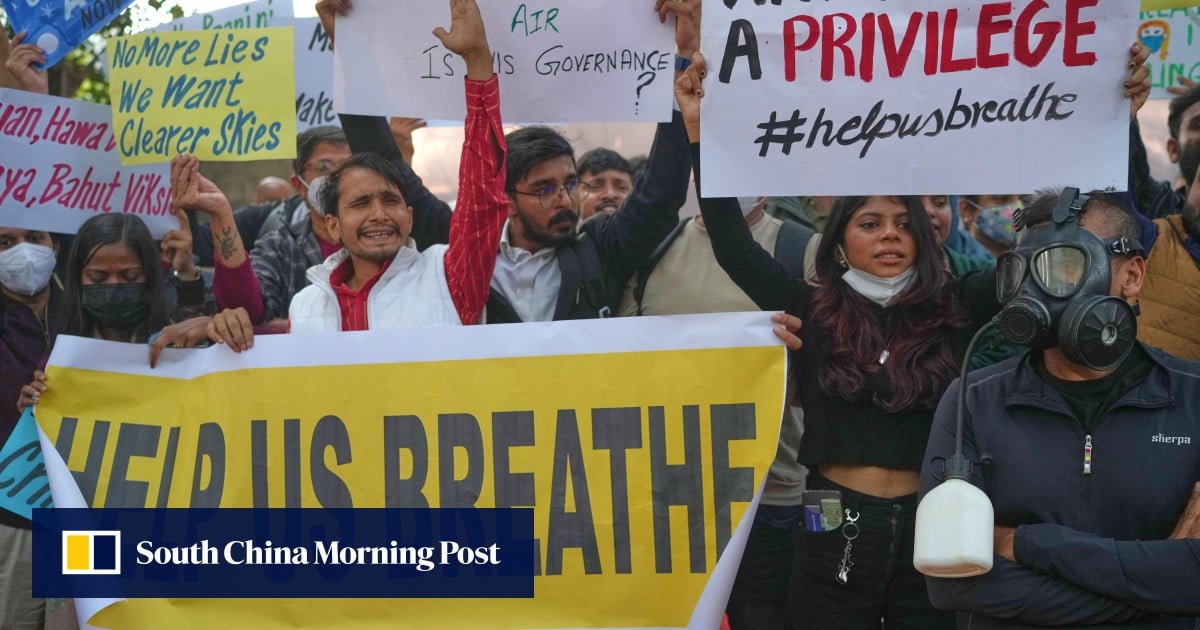
Sitting on the pavement outside the emergency ward of the National Institute of Tuberculosis and Respiratory Diseases in South Delhi’s Mehrauli, Asha promised her son she would not leave his side.
Nineteen-year-old Nitish was reluctant to be admitted to a government hospital, even after doctors said he needed further tests to understand the cause of his sudden breathlessness.
He had been struggling to breathe for two or three days – something he had never experienced before – and his family believes Delhi’s hazardous air played a role.
“He never complained of breathing issues. I don’t know what is wrong, it must be the rising air pollution,” Asha told This Week in Asia. “Every day, he has to travel to college in this toxic air.”
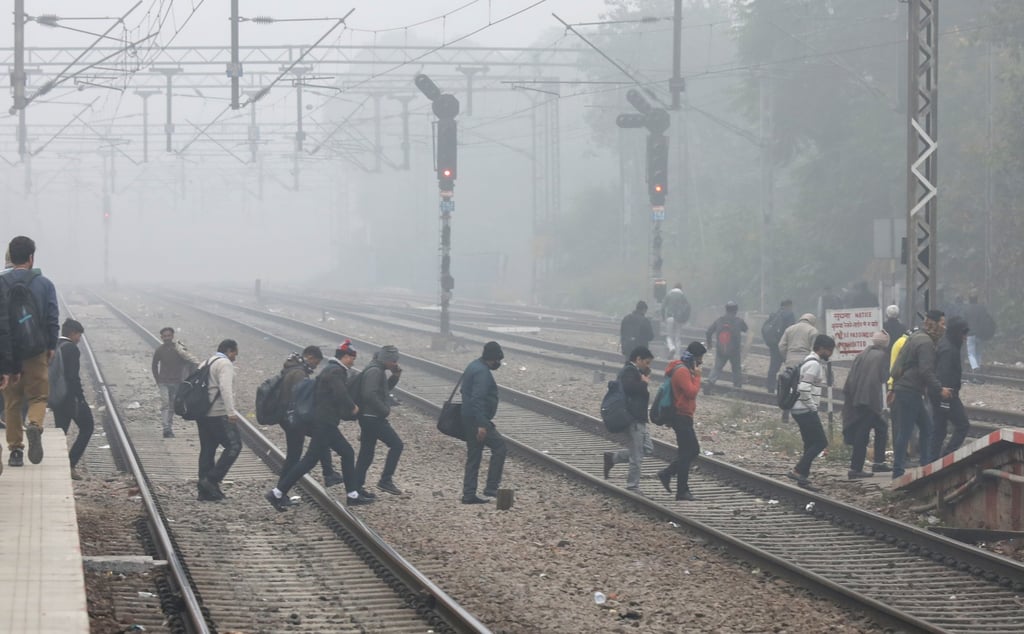
Scenes like this are becoming increasingly common in the Indian capital as winter smog tightens its grip, driving more patients with respiratory complaints to hospitals and exposing a widening gap in how residents cope with polluted air.
