


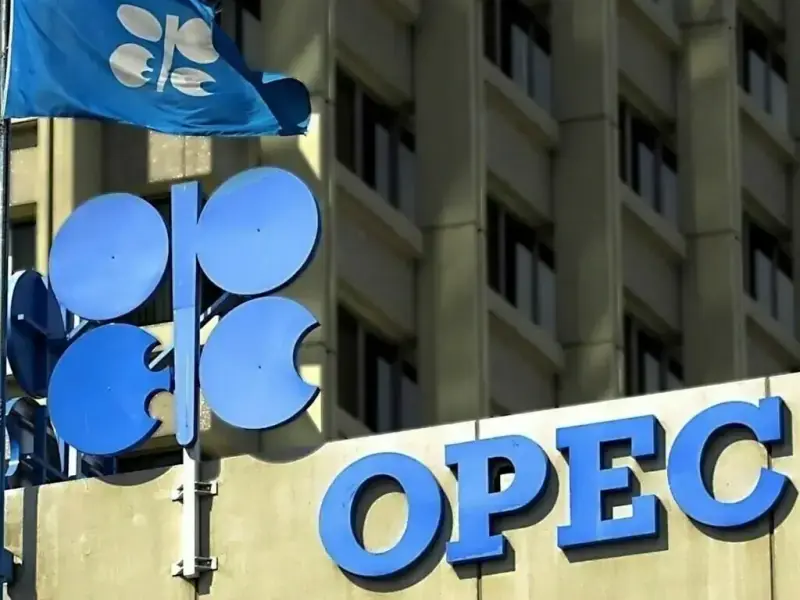
LONDON/MOSCOW: OPEC+ members will undergo an annual assessment of their oil production capacity starting next year for use in 2027, OPEC+ sources said, to ensure that the group sets output quotas that are more closely aligned with each country’s real capacity. This follows an agreement reached on Sunday which marks progress in resolving what has been a thorny issue for OPEC+ for years, and is expected to boost the credibility of its future production deals with investors and oil market participants.
Some members such as the United Arab Emirates have increased their capacity and would like higher production targets, while others such as African members have seen declines.
For others, it is politically and economically difficult to accept a lower production target and theoretical capacity. Angola quit the Organization of the Petroleum Exporting Countries in 2024 over a disagreement about its production quotas.
Consultants to be appointed
Saudi Energy Minister Prince Abdulaziz bin Salman said on Monday that Sunday’s meeting was one of the most successful days in his career and the output capacity mechanism would help to stabilise markets and reward those who invest in production.
The assessments will start in 2026 to be used for 2027 output baselines, from which quotas are set. OPEC+ – which groups OPEC and allies led by Russia – is planning to appoint US petroleum consultant DeGolyer and MacNaughton to work on estimates for 19 of the 22 OPEC+ members, three OPEC+ and industry sources said.
The firm did not respond to requests for comment.
Dallas-based DeGolyer was one of the companies that carried out an audit of Saudi Aramco’s oil reserves ahead of its 2019 initial public offering. DeGolyer would not assess the capacity of Russia, Iran or Venezuela, the sources said. Those OPEC+ producers are under US sanctions and objected to a US firm carrying out the work, the sources said. Sanctions may also have made it difficult for the US company to carry out that work.
A firm from India is expected to be appointed in the coming weeks to deal with Russian and Venezuelan capacity estimates, while Iran chose to have its capacity assessed using production figures, the sources said.
“These three countries are facing exceptional circumstances, both internally and/or externally, and we decided to show flexibility in order to reach an agreement,” one of the OPEC+ sources said, declining to be identified because they were not authorised to speak publicly about the matter.
