


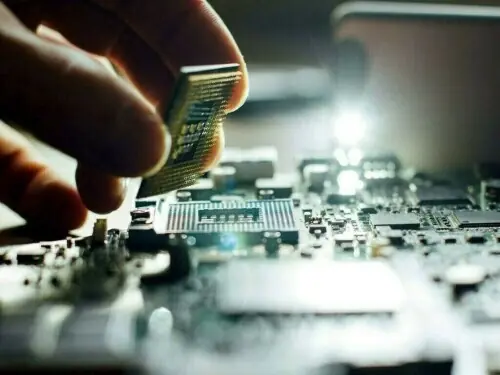
A steep increase in hardware component costs will raise the overall prices of personal computers, laptops, tablets, and other devices globally. This is likely to affect the spending capacity of individuals and businesses across Pakistan, and may even slow down digital adoption across the country.
Globally, demand for major hardware parts used in computers and related devices, including Random Access Memory (RAM) and Solid-State Drives (SSDs), is rising significantly due to the installation of these components in AI-based data centres. As a result, the prices of RAM and SSDs surged by 100% and 500% in 2025 and are expected to remain on an upward trend in 2026, according to estimates.
The increasing cost of key components is also pushing up prices of PCs, laptops, tablets, and other devices worldwide. In response, local industry players have raised concerns about the rising cost of computers and related devices for the public and private sectors who want to digitize their systems on a large scale.
Khushnood Aftab Shaikh, CEO of Viper Computer, said the rising cost of imported devices will not only increase the expenditure of public and private sector entities, but will also add significantly to the country’s import bill every year.
He believes local production of computer systems and hardware components is indispensable for speedy digitization in the country.
Locally-produced computers are efficient and comparatively lower in cost than imported ones. They also help conserve precious foreign exchange, enable technology transfer at the local level, and support the upskilling of human capital.
He warned that high computer prices may erode the purchasing power of public and private sector organizations, as well as individuals engaged in education and freelancing. Therefore, the country should adopt a comprehensive hardware policy and a clear roadmap to promote the production of Pakistani-branded computers.
More than a dozen PC assemblers operated in Pakistan over the past 15 years, but they shut down one after another due to the lack of a supportive policy framework.
Meanwhile, government policies continue to encourage imports of PC devices. To date, only a handful of operators produce Pakistani-branded computer devices, despite challenges and intense competition with global brands.
Recently, Pakistan established a Google Chromebook assembly facility in collaboration with public and private entities. The initiative aims to develop locally produced devices and train human resources, ultimately expanding production to meet local demand.
DPM Dar launches Pakistan’s first Google Chromebook assembly line
Shaikh’s company, Viper Computer, has also expanded its production facility in Lahore and Karachi.
Meanwhile P@SHA (Pakistan IT Industry Association) Senior Vice Chairman Muhammad Umair Nizam said the government should develop a comprehensive hardware development policy to enhance local production of computers, laptops, tablets, and related systems.
Pakistan is a large and untapped market with a young, tech-savvy population. In collaboration with the private sector, the government should ensure access to affordable technological devices for learning and earning, he added.
He also said that a long-term local hardware development policy would not only provide more affordable gadgets to citizens, but would also attract investment from local and foreign brands, similar to Pakistan’s mobile phone assembly sector, which started from scratch and now exports made-in-Pakistan mobile phones to different countries after meeting over 90% of local demand.
