
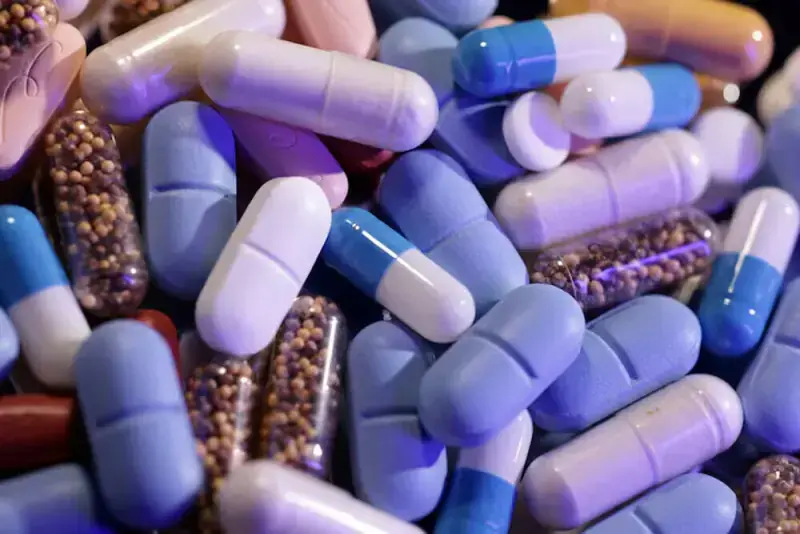
Pakistan’s pharmaceutical industry is flying high in the wake of deregulation and structural reforms, which gave strength to an ailing industry that was facing shutdowns.
The reforms have helped improve the domestic healthcare system by enabling pharma firms to overcome a medicine shortage crisis and remove fake and black medicine markets. They have managed to advance manufacturing through innovation and hit a historic boom in exports in the outgoing year 2025.
Pakistan Pharmaceutical Manufacturers Association (PPMA) Senior Vice Chairman Kamran Nasir told Business Recorder that the pharmaceutical industry in 2025 witnessed a significant positive shift, primarily driven by the deregulation of non-essential medicine pricing in February 2024, in which SIFC [Special Investment Facilitation Council] played a critical role.
Pakistan develops its first-ever indigenous biomolecule to make anti-rabies vaccine
“The development has been centric in restoring commercial viability across the sector and has paved the way for renewed investment in pharmaceutical manufacturing, infrastructure, and export-oriented growth,” he said.
As a direct outcome of deregulation, the industry recorded a remarkable growth of approximately 34% in pharmaceutical exports in fiscal year 2025. Equally important, it helped resolve persistent shortages of medicines that had become unviable to manufacture due to prolonged price controls. “Prior to these reforms, margins had been severely compressed, plants were nearing closure, and several multinational companies were contemplating or executing exits from the market,” said Nasir, who is also Group MD of pharma firm OBS & CEO AGP Limited.
Stakeholders aiming to position Pakistan as a $5 billion to $10 billion pharmaceutical export industry by 2030.
“Deregulation has reversed this trend by enabling sustainable operations, improving medicine availability, and ensuring continued patient access.”
Furthermore, improved financial viability and availability of monetary resources have allowed pharmaceutical companies to diversify and invest in advanced therapeutic segments. “In 2025, several local manufacturers expanded into new lines such as vaccines, biotechnology-based products, and other advanced pharmaceutical solutions. These investments are critical in positioning Pakistan beyond conventional generics and provide the country with greater leverage to emerge as a competitive, top-tier player in the global pharmaceutical landscape, capable of offering higher-value and innovative healthcare solutions,” the PPMA VC said.
This policy shift has also allowed the industry to realign its long-term vision, with stakeholders now collectively aiming to position Pakistan as a $5 billion to $10 billion pharmaceutical export industry by 2030. Improved pricing flexibility has enabled companies to invest in plant upgrades, modern infrastructure, higher regulatory compliance standards, and to pursue stringent international regulatory approvals—key prerequisites for sustained export growth, he said.
Another major milestone in 2025 has been the institutional reform of DRAP [Drug Regulatory Authority of Pakistan] under the leadership of its CEO, Dr. Obaidullah. The authority has undergone meaningful structural and policy reforms focused on transparency, efficiency, and facilitation, benefiting both the industry and the public at large. These efforts have been formally recognized at the highest level, with DRAP being awarded as a “Champion Regulator” by the Prime Minister of Pakistan. “The reorientation of DRAP toward a more collaborative and reform-driven approach has contributed significantly to the sector’s improved performance,” Nasir said.
Suggestions on draft document sought: DRAP revises requirements for establishment of pharma uni
Going forward, continued regulatory stability, further digitization of regulatory processes, encouragement of research and development, and targeted government support for export facilitation will be essential to maintain this growth trajectory, he said. Strengthening local API (active pharmaceutical ingredients/ raw material) manufacturing, fostering innovation, and aligning with global quality benchmarks will be key to realizing the industry’s long-term potential, he added.
CCP, DRAP ink MoU to strengthen Pakistan’s pharma sector
Pharma firms win WHO, PIC/S prequalification
PPMA former chairman Tauqeer Ul Haq said that at least 8 Pakistani pharmaceutical firms won prestigious international recognition for producing quality medicine of global standards, including WHO prequalification, PIC/S recognition, and MHRA (Medicines and Healthcare products Regulatory Agency) accreditation in recent times.
These pre-qualifications and recognitions have opened doors for pharma firms to expand the country’s exports to the regulated high-end world markets including the US, Europe and the Gulf Cooperation Council (GCC) countries – a step towards achieving the government set export target of $30 billion by the industry in five years.
“Another 10 to 15 companies are expected to receive such global certifications over the next one to two years,” Haq estimated.
Some 80% ‘disappeared medicines’ are back
More than 80% of ’disappeared medicines’ are back in production and in retail markets in the past 22 months in Pakistan, overcoming a drug shortage crisis that had plagued the country. This has increased patient access to medicines to a new high in recent times, according to PPMA.
Around 200 medicines had gone out of production some two years ago after their cost of production surpassed their retail prices in the country, causing huge shortages and an uproar by patients and medical professionals alike. The drugs included life-saving ones that were used to treat diseases including TB (tuberculosis), cancer, diabetes, along with those that help with cardiovascular issues and those prescribed by psychiatrists.
Out of some 200 disappeared medicines, around 160 are once again available at affordable prices in the domestic markets, according to Tauqeer Ul Haq.
Exports hit a two-decade high growth of 34% in FY25
Pakistan’s pharmaceutical exports growth hit a two-decade high of 34% in the fiscal year ended June 30, 2025, securing the fifth position among the fastest-growing export categories in the country with sales of the locally produced medicines rising to $457 million in overseas markets in FY25.
PPMA reported that the pharma exports had stood at $341 million in the prior year of FY24. The surge of 34% was the highest visible growth of pharma exports during the past two decades. The previous best was recorded at 32% in 2009, according to the association.
On the other hand, the export of therapeutic goods – including pharmaceuticals, surgicals, food supplements, medical devices and nutraceuticals – registered at $909 million in FY25, just $91 million shy away from a $1 billion threshold.
Industry deploys AI, other advanced technology
Pakistan’s pharma sector is increasingly deploying artificial intelligence (AI) and advanced technologies to improve drug development processes and detect drug reactions, according to PPMA former chairman Haroon Qasim.
From startup-led telemedicine platforms to large-scale industry events focused on AI integration, the sector is gearing up for a tech-driven future.
Highlighting a transformative shift, he said: “AI and digital technologies are steadily transforming Pakistan’s pharmaceutical sector across multiple fronts—from drug development to patient engagement, the applications are growing.”
Pak-Afghan border closure impacts exports
The Pakistan Pharmaceutical Manufacturers Association (PPMA) was concerned over the prolonged closure of the Pak-Afghan border amid a political crisis. This severely impacted pharmaceutical exports to Afghanistan that was one of Pakistan’s key export markets for medicines. The disruptions have led to delays and losses in trade, causing substantial revenue losses for Pakistani pharma companies. The PPMA has expressed its concern before the government, urging it to address issues and ensure cross-border trade. The closures have not only affected businesses but have also jeopardized access to essential medicines in Afghanistan, further exacerbating health challenges in the region.
