


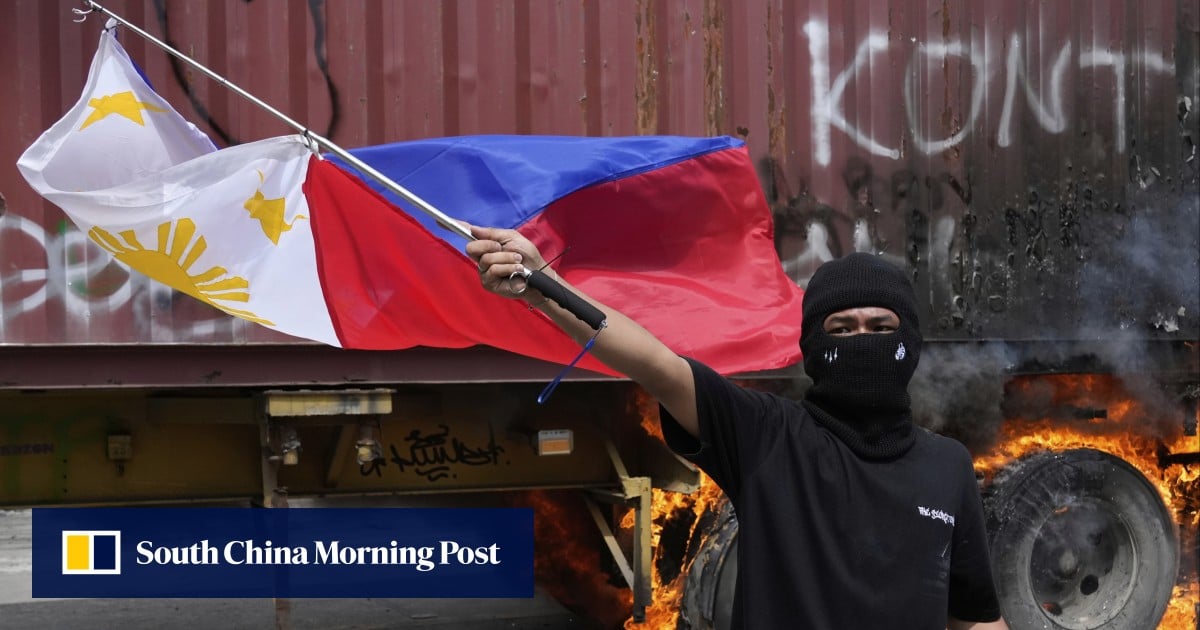
The demonstrations in cities across the country that took place on Sunday – loosely organised through social media, university groups, churches and word of mouth – marked perhaps the country’s largest protests in years without centralised leadership. Observers said their spontaneous and chaotic nature reflected deep discontent – but also raised the risk that things could spiral out of control.
At least 61,000 people attended the protests, estimates from the Philippine National Police showed.
“This is a very dangerous and hopeful period,” Randolf David, professor emeritus of sociology at the University of the Philippines, told This Week in Asia on Monday.
He said it was “not far-fetched” to believe that the protests could ultimately lead to a change of government.
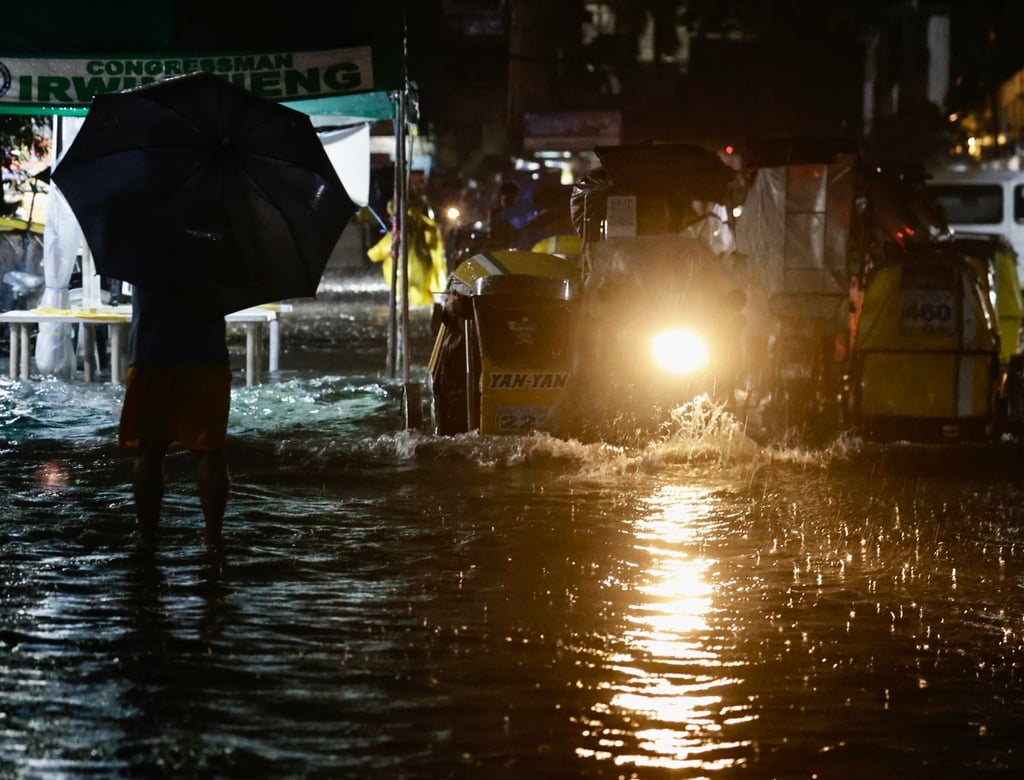
Public anger has surged since August amid revelations of “ghost” flood-control projects and irregularities in infrastructure spending. Lawmakers uncovered over 545 billion Philippine pesos (US$9.5 billion) in contracts since 2022 – the start of President Ferdinand Marcos Jnr’s presidency – tied to substandard, undocumented or entirely unbuilt projects.
