


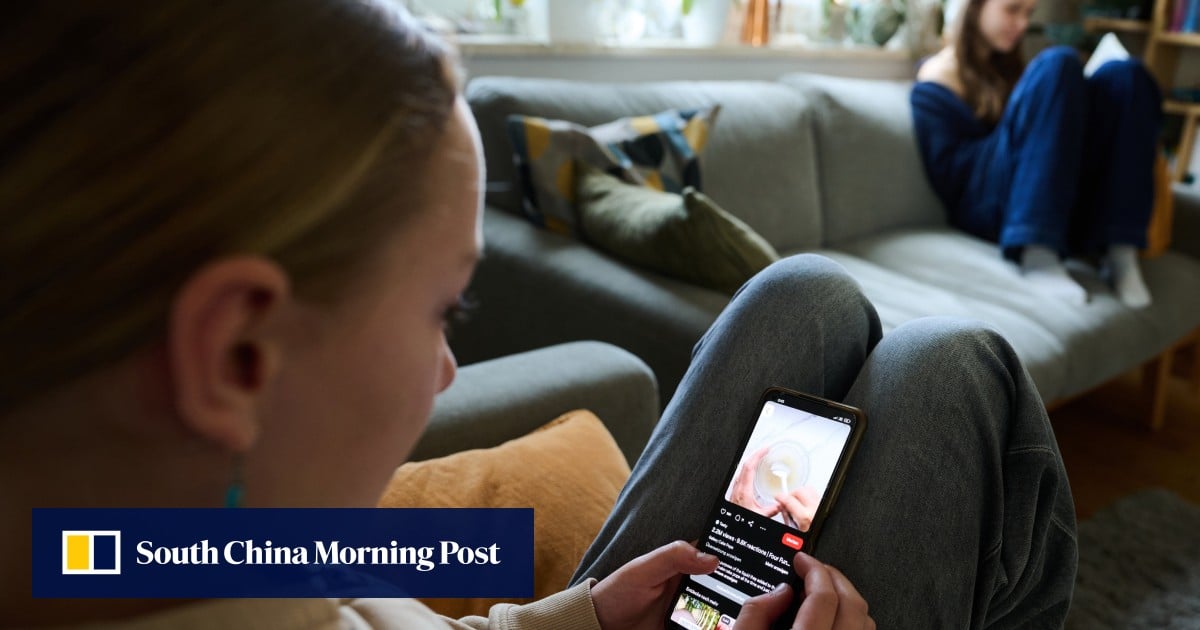
As Australia’s new restrictions on social media use by children under 16 take effect this month, governments across Southeast Asia are rolling out or weighing their own measures aimed at protecting young users online.
From platform licensing rules in Malaysia to age-based access limits in Indonesia, the moves reflect a broader global push to rein in tech companies over child safety, cyberbullying and harmful content.
But analysts say such policies can also open the door to wider regulatory powers over digital spaces, particularly in countries where safeguards for privacy, free expression and civic participation are weaker.
The Australian legislation that came into force on December 10 places the burden on social media platforms to take “reasonable steps” to prevent children under 16 from accessing their services, with hefty penalties for non-compliance.
While Southeast Asian governments are not directly replicating Australia’s approach, similar child safety narratives are being used to justify tighter state oversight of online platforms.
In Malaysia, social media giants such as TikTok, Instagram, Facebook, YouTube, Telegram and WhatsApp will be automatically deemed registered licence holders from January 1 as part of government efforts to strengthen online safety for children.
