
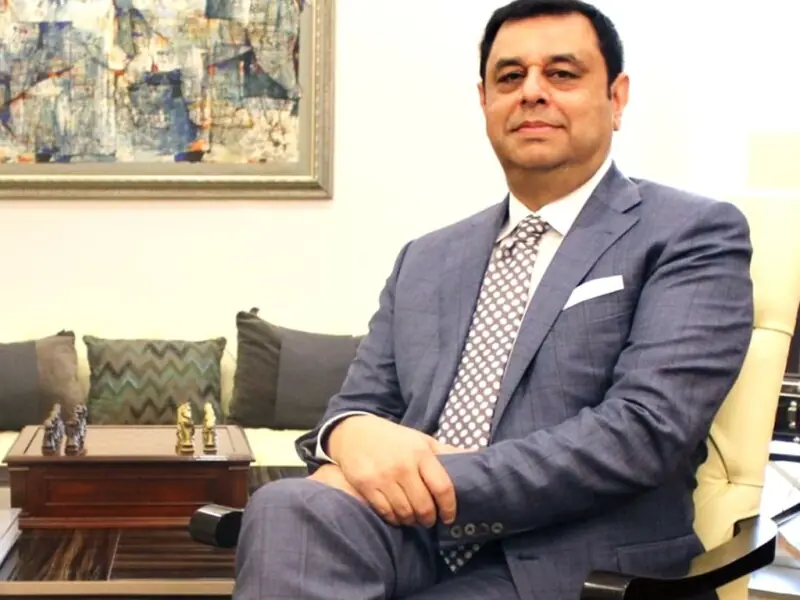
Pakistan’s textile and apparel sector is approaching a critical point, with widespread layoffs and factory closures looming due to rising costs and weakening export momentum, the Pakistan Textile Council (PTC) Chairman Fawad Anwar has warned.
According to a press release, textile and apparel exports reached $7.84 billion during July-November FY26, up 2.8% from the same period last year.
However, Anwar said headline growth masks underlying stress across key segments of the industry.
Exports in November 2025 declined to $1.43 billion, down 2.7% year-on-year and 11.7% compared to October, reflecting rising costs that exporters are unable to pass on to buyers.
Pakistan’s textile firm temporarily shuts spinning unit amid unfavorable market conditions
Traditional textile exports, including raw materials and semi-processed goods, fell 7.7% during July-November FY26 to $1.28 billion, with November alone down 18.5% year-on-year.
Apparel and made-up textile exports rose to $6.56 billion during July-November, up 5 % over last year, but monthly trends show momentum weakening. Apparel shipments fell 0.5 % year-on-year in November and 13% month-on-month, signaling erosion of competitiveness even in Pakistan’s strongest export segments.
Anwar highlighted declines in key product lines, including cotton bed linen, bed covers, knitted T-shirts, gloves, and cotton men’s suits, jackets, and trousers.
He attributed the downturn not to inefficiency but to policy-driven costs, citing high energy tariffs, unreliable supply, expensive financing, and a complex tax structure as major constraints.
He also warned that tight monetary conditions, high interest rates, limited access to working capital, and delayed refunds have stalled investment in modernization and expansion.
“Global buyers do not compensate suppliers for domestic policy distortions,” he said.
Weak woven fabric demand prompts Pakistan’s textile firm to cut loom operations
Without urgent government action, Anwar cautioned, Pakistan risks permanent loss of export orders, widespread job losses, and closure of textile units.
He called for reduction in energy costs, easing of interest rates, rationalization of taxation, and an exchange rate aligned with market fundamentals to restore competitiveness.
“Export-led growth is not optional, it is Pakistan’s only sustainable path forward,” he concluded.
