


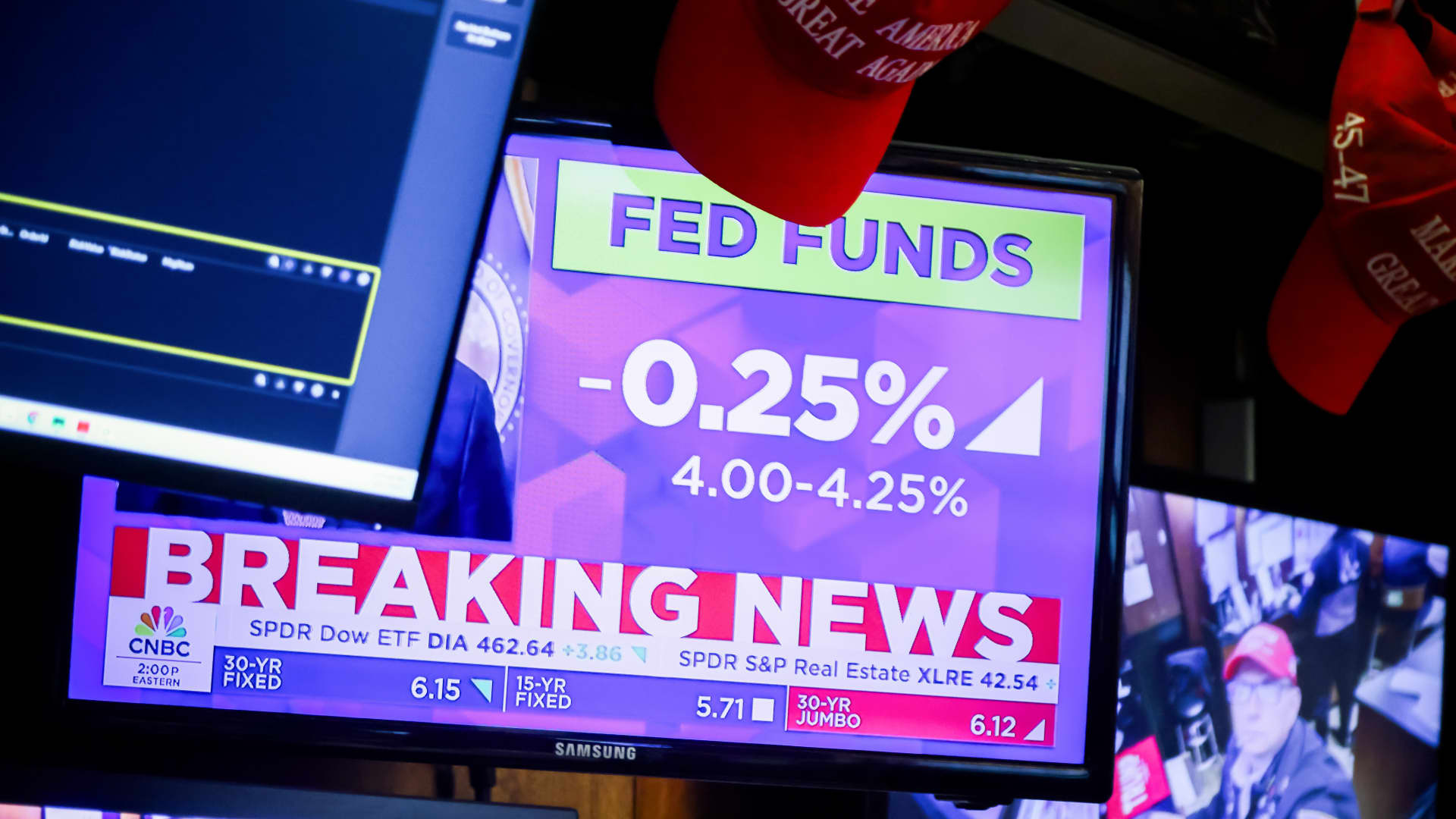
Another Federal Reserve rate cut, another … rise in interest rates? That is the current dynamic across the Treasury yield curve — the real-time market rates — a week after the Fed’s first cut in policy interest rates in nearly a year. Many consumer loans, such as home equity and mortgages and credit cards — and even bank deposits, take their cues from bond yields. The key questions for investors now are: Why is this happening? And … what, if anything, should we do? The answers to both questions start with the bind the Fed finds itself in as it contends with its two mandates – fostering price stability and maximum employment – that are currently in opposition of one another. Lately, signs of a slowing labor market have become more worrisome to the Fed than an uptick in overall inflation. The former, of course, supports rate cuts to stimulate employment demand, while the latter argues for keeping rates high to clamp down on rising prices. While the Fed has made it clear that the job market needs to be in the driver’s seat, the bond market is not so sure. When it comes to bonds, the yields are locked in when purchased. So, buying a 10-year Treasury , or lending the U.S. government money for the next decade, the current yield of roughly 4.2% is what you are stuck with until maturity. (Bonds are traded all the time before they mature, leading to fluctuations in yields, which move inversely to price. But that’s a whole other story.) As a result, you have to think about real returns – the yield minus the rate of inflation – on a time horizon equal to when the bond will mature. In other words, before locking in a rate for 10 years, you need to consider what inflation may look like over the decade. Miscalculate and assume too low a rate of inflation, and you will end up getting a lower, possibly even negative return over that investment horizon in real terms – real terms is what matters, as it speaks to buying power. To be sure, we are not saying that the Fed was wrong to cut rates by 25 basis points last week. We have previously argued that the labor market deserves more focus because if inflation does indeed pick up due to tariffs, that stands to be more transient in nature than a rise in unemployment. That’s especially true if unemployment prompts businesses to adopt artificial intelligence solutions more quickly – and in turn, become structurally less reliant on human labor. Horse and buggy repairman, anyone? Tariffs, on the other hand, are likely more of a one-time phenomenon. While the price increases will remain, the rate of price increases will decline as we lap the date of implementation. However, with inflation still above the Fed’s 2% target and central bankers cutting policy rates that impact the low end of the bond market yield, it’s clear that bond market traders feel they must hedge against the move. Put another way, to protect against a rebound in inflation aided by the cut on the short end to protect the job market, the bond market, which operates on free market dynamics, is selling the long end, which pushes yields on those longer-dated Treasurys higher. Understanding why the yield curve is doing what it’s doing is only half the battle. The other half is figuring out what to do about it. We don’t mean what the fiscal or monetary authorities should do about it – we certainly don’t envy the position Fed Chair Jerome Powell finds himself in – but what we, as investors, should be doing in terms of positioning. For starters, we must determine if you think the current dynamic will hold. As it stands now, we don’t really see why it wouldn’t. Inflation is still running hot, the Fed is cutting, and tariffs are still intact as trade negotiations drag on. It makes sense that those buying on the long end would demand higher yields to lock up their money longer term. So far, history does seem to be repeating itself. When the Fed eased 100 basis points over three rate cuts at the end of last year, bond yields went up. Sure, slowing jobs and tariffs were not factors. It was inflation front and center. However, bond yields declined into the September 2024 rate cut, only to rise after that. If this year is going to be like last year, maybe it’s time to book our win in Home Depot and step to the sidelines? Jim Cramer asked Jeff Marks, director of portfolio analysis for the Club, that very question during Thursday’s Morning Meeting. Jim said the Home Depot trade depends on housing, which has been stalled, and it depends more on mortgage rates coming down than short-term home equity line of credit (HELOC) rates for renovations. However, if long bond yields start to peak, we may be looking at nothing more than a short pullback in Home Depot shares. Jeff said it’s something to consider and should be monitored. This line of thinking, of course, goes for all stocks that members may own that are tied to the longer end of the yield curve. Fortunately, we will be getting an important update on inflation before Friday’s opening bell, with the release of the August personal consumption expenditures (PCE) price index. Core PCE, which excludes food and energy prices, is the Fed’s favorite gauge of price pressures in the economy. Given the concerns around inflation, it’s crucial that we get a reading at least in line — if not below — what the Street is looking for. As of Thursday, core August PCE is seen rising 2.9 % year over year. Earlier this month, the August consumer price index – another important gauge of retail inflation – saw the core rate up 3.1% year over year. While not an apples-to-apples comparison with the PCE, we will be looking for any confirmation or contradiction of what the CPI revealed. (Jim Cramer’s Charitable Trust is long HD. See here for a full list of the stocks.) As a subscriber to the CNBC Investing Club with Jim Cramer, you will receive a trade alert before Jim makes a trade. Jim waits 45 minutes after sending a trade alert before buying or selling a stock in his charitable trust’s portfolio. If Jim has talked about a stock on CNBC TV, he waits 72 hours after issuing the trade alert before executing the trade. THE ABOVE INVESTING CLUB INFORMATION IS SUBJECT TO OUR TERMS AND CONDITIONS AND PRIVACY POLICY , TOGETHER WITH OUR DISCLAIMER . NO FIDUCIARY OBLIGATION OR DUTY EXISTS, OR IS CREATED, BY VIRTUE OF YOUR RECEIPT OF ANY INFORMATION PROVIDED IN CONNECTION WITH THE INVESTING CLUB. NO SPECIFIC OUTCOME OR PROFIT IS GUARANTEED.
