


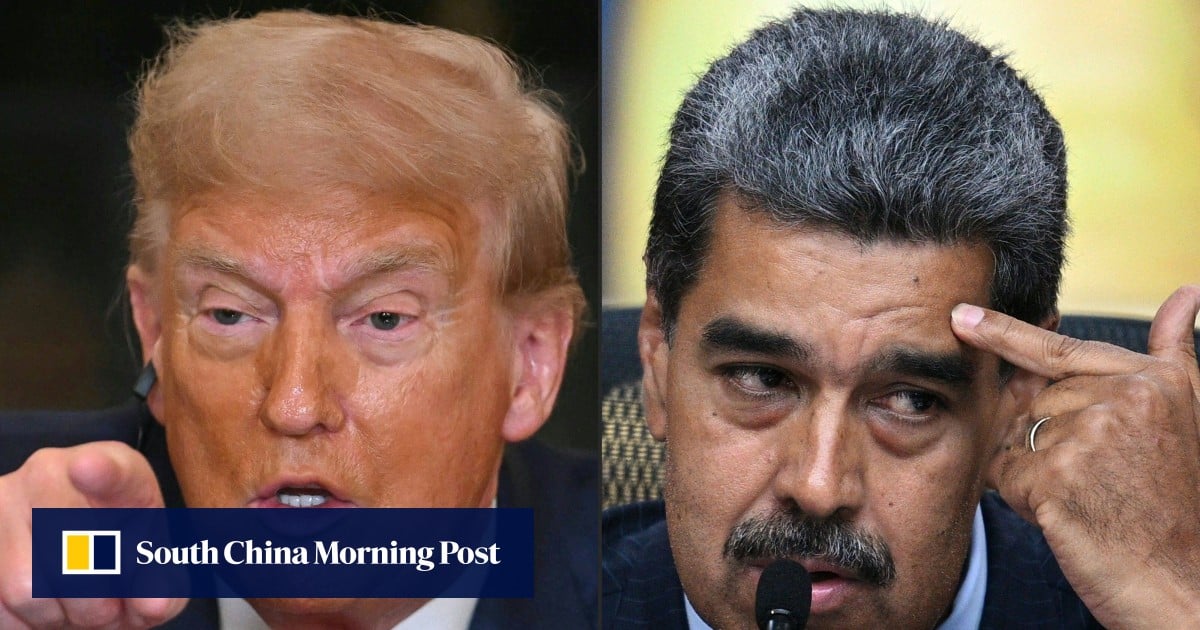
US military strikes hit Venezuela’s capital before dawn on Saturday, with explosions shaking Caracas as US President Donald Trump claimed that Venezuelan leader Nicolas Maduro and his wife had been captured and flown out of the country in a US operation.
The escalation followed months of sabre rattling by Washington and warnings from Beijing over growing US military and economic pressure on the oil-producing nation. It also came just hours after Maduro met the special representative of the Chinese government on Latin American affairs, Qiu Xiaoqi, in Caracas.
The US operation is expected to accelerate Beijing’s shifting approach towards Venezuela as it moves to prioritise energy and other commercial interests and distance itself from a leader of diminishing political viability.
Beijing has already curtailed lending and investment amid the country’s economic collapse and sanctions.
“Venezuela has not been a priority for Chinese financing for some time now,” said Parsifal D’Sola of the Andres Bello Foundation in Bogota.
“From China’s perspective, the exposure is limited, and a post-Maduro scenario could actually reduce risk for future engagement.”
This shift suggests Beijing will prioritise safeguarding energy supply chains and existing contracts over defending the Maduro government’s political legacy. A political transition could reopen doors for Chinese firms that previously withdrew from the energy and infrastructure sectors.
