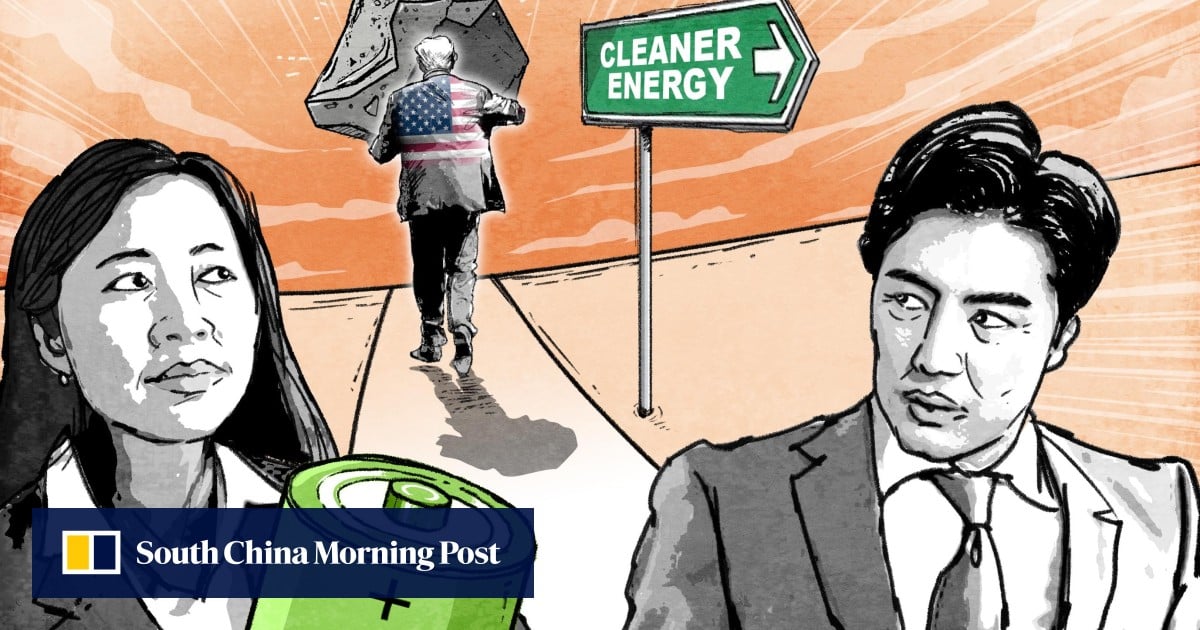
In 1865, when a British entrepreneur built a demonstration railroad near Beijing, Empress Dowager Cixi saw not progress but danger – of disruptions to feng shui, imperial graves and rural order – and had the tracks torn up.
Two decades later, when a Chinese-built coal line threatened to steam too close to sacred grounds, Cixi’s solution was not innovation but regression. She ordered that the locomotive be replaced with horses.
By clinging to tradition in the face of technological transformation, the Qing dynasty (1644-1911) delayed modernisation until it was too late. Within decades, imperial China would collapse under the weight of its own resistance to change.
Empress Dowager Cixi, who effectively ruled China from 1835-1908, discouraged the building of railways. Photo: Getty Images
As the world races towards a clean energy future, is history repeating – not in Beijing, but in Washington? Once the global leader in climate science and sustainable innovation, the United States is increasingly choosing to invest in the past.
US President Donald Trump has prioritised reviving the coal sector to power the rise of artificial intelligence and the re-industrialisation of America, even as emissions rise and renewable momentum stalls.
Meanwhile, as the US retreats from climate science leadership, China – once criticised for the size of its carbon footprint – is making it possible for developing nations to leapfrog into a cleaner energy era.
According to Solomon Hsiang, director of the Global Policy Laboratory at Stanford University, China’s innovation and manufacturing at scale have made the energy transition easier and cheaper for low-income countries.
“Now that China is providing an alternative, which is cheap renewable energy, it is a much easier choice for other countries to start using cleaner technologies,” he said on the sidelines of the 2025 Sustainability Forum in Hong Kong.