


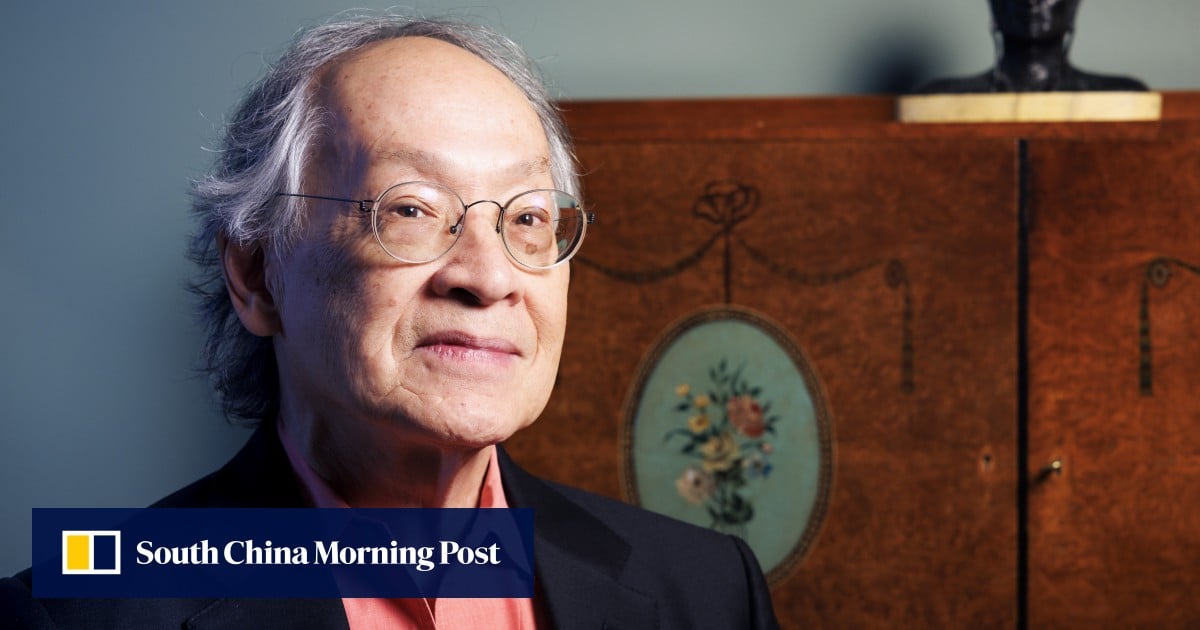
When Arthur Sze translates classical Tang dynasty poetry into English, he writes Chinese characters by hand, slowing himself to the pace of brush strokes and gaps. This deliberate resistance to speed is central to the craft of the US’ 25th poet laureate, and reflective of his belief that poetry must be treated with care if it is to cross borders with depth intact.
Sze only translates poems he loves; by his count, he’s done just 75 translations over a five-decade-long career. “I don’t work on assignment. I need to think about the poems I’m translating. I need to live with them. I need to care about them,” he said in an interview with the Post.
Whenever possible, he prefers having conversations with the original Chinese poets to strengthen the translations.
Sze says he has long seen poetry as a way to break down rather than create barriers. That mission carries more weight now that relations between the US and China, two countries that anchor much of his work, have grown tense.
“Poetry works best through its affirmation of humanity,” he says. “And translation as an endeavour builds bridges. It builds community. It dissolves national borders.”

Sze is not only unique as the first Asian-American poet laureate consultant to the Library of Congress, a position focused on spreading appreciation of poetry.
